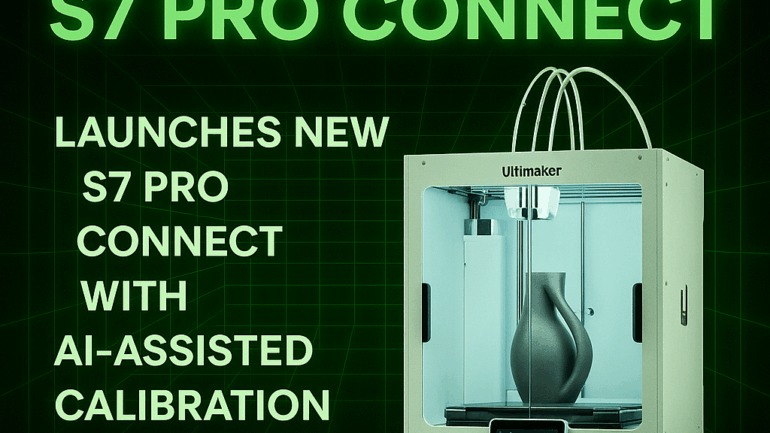
For years, 3D printing had a reputation for being powerful—but frustrating. Beginners often faced steep learning curves involving manual calibration, failed prints, and endless troubleshooting. In January 2026, that story is changing fast. Thanks to smarter hardware, better software, and built-in automation, the plug-and-play experience for beginner 3D printer users has dramatically improved.
3D printing is becoming accessible to everyone, not just engineers and hobby experts.
From Complex Setup to Print-Out-of-the-Box
In the past, setting up a 3D printer required mechanical adjustments, firmware updates, and deep technical knowledge. Today’s entry-level and prosumer printers increasingly arrive factory-calibrated and ready to print within minutes.
Modern plug-and-play features include:
- Automatic bed leveling
- Pre-configured material profiles
- Guided first-print setup
- Tool-free assembly or fully assembled units
This removes one of the biggest barriers that discouraged new users.
Smarter Software Makes the Difference
User-friendly software is now just as important as hardware. Updated slicers and printer interfaces guide beginners step by step, offering default profiles that balance speed, quality, and reliability.
Many systems now:
- Automatically detect the printer and material
- Suggest optimized print settings
- Warn users about common mistakes before printing
This reduces failed prints and builds confidence from day one.
AI-Assisted Features Reduce Beginner Errors
Artificial intelligence is playing a growing role in improving the beginner experience. AI-based failure detection can recognize problems like warping or poor adhesion early and alert users—or even pause the print automatically.
These features act like a safety net, allowing beginners to learn without constant frustration.
Better Hardware Design for Everyday Users
Manufacturers are also improving physical printer design to support new users. Enhanced motion systems, quieter operation, enclosed builds, and improved cooling systems make printers more reliable and suitable for homes, schools, and offices.
Easy-access components and modular parts also make basic maintenance far less intimidating.
Education, Schools, and Home Users Benefit
The improved plug-and-play experience is especially impactful in education. Schools and universities are adopting 3D printers at a faster pace because students and teachers can focus on design and creativity, not troubleshooting hardware.
At home, beginners can now produce useful objects—tools, organizers, replacement parts—without becoming 3D printing experts.
What This Means for the 3D Printing Industry
By lowering the entry barrier, manufacturers are expanding the 3D printing user base. This growth fuels:
- Increased consumer adoption
- Stronger creator communities
- More real-world use cases
3D printing is transitioning from a niche hobby into a mainstream tool.
Looking Ahead
On As plug-and-play features continue to improve, the next generation of 3D printers will likely require even less manual input. Future systems are expected to combine AI, automation, and cloud connectivity to make printing as simple as using a standard office printer.